Source Digital Torque Wrench for Assembly, Maintenance, and Testing
Compare 30 digital torque wrench options from verified suppliers. Buyers can evaluate specifications like torque range, accuracy, and power source to find the right tool for industrial assembly, maintenance, and quality testing applications; compare the available evidence and request quotations based on your requirements.
Key considerations
Products List
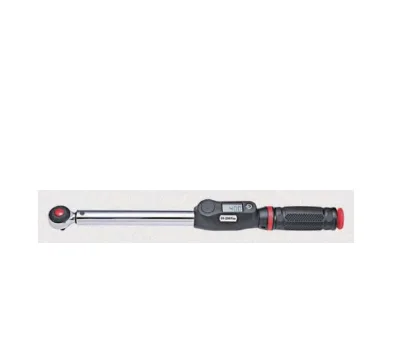


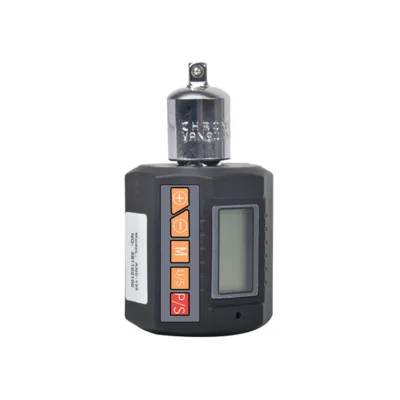


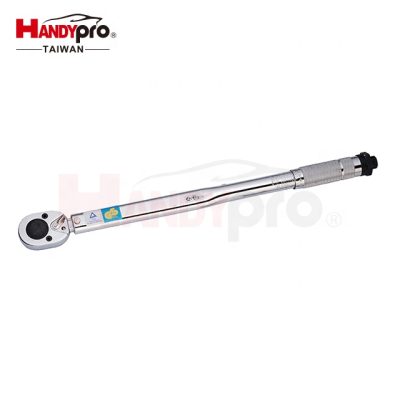


Comprehensive Sourcing Guide
Digital Torque Wrench Sourcing Guide
Sourcing digital torque wrenches requires a clear understanding of the distinct product categories available in the current market. Buyers often encounter listings that blend general-purpose tools with specialized electromagnetic instruments, which can lead to specification mismatches. The observed product landscape includes items explicitly labeled as digital torque wrenches with OEM and ODM customization support, as well as separate listings for TWC series models that specify narrow torque ranges like 10-100nm or 50-500nm. It is critical to distinguish between these categories early in the sourcing process to ensure the selected tool matches the intended industrial or DIY application.
Procurement teams must also navigate the variance in origin and certification claims found across different supplier listings. Some products originate from Taiwan with GS certification, while others are listed with origins in Zhejiang, China, and ISO 9001 compliance. These geographical and regulatory differences often correlate with variations in build quality, software accuracy, and after-sales support structures. Buyers should treat these attributes as observational data points rather than universal guarantees, verifying each claim against their specific quality management requirements before committing to a purchase order.
Product Scope and Observed Listing Signals
The current market for digital torque wrenches presents a wide price range, observed between $18.41 and $15,000 USD, reflecting significant differences in capability and build quality. Minimum order quantities vary from single units to 500 pieces, indicating that suppliers cater to both individual technicians and large-scale industrial procurement. High-end models often feature LCD displays and battery power sources, such as 18V systems, which are essential for precision work in environments where wired power is unavailable. These signals suggest a bifurcated market where budget-conscious buyers may find basic units, while precision-focused industries require more expensive, calibrated instruments.
Product attributes also reveal a mix of motor types and power sources, with some listings specifying AC power or electricity as the primary source, while others highlight battery operation. The presence of "Multifunction" applications and "Electromagnetic Instrument" classifications suggests that some digital wrenches may serve dual purposes, potentially integrating with other measurement systems. Buyers should carefully review the single package dimensions and gross weight, which can range from compact handheld sizes to larger industrial packaging, to ensure compatibility with their existing storage and logistics infrastructure.
Technical Specifications to Verify
Verifying the technical specifications of a digital torque wrench is paramount for ensuring operational reliability and measurement accuracy. Key attributes to confirm include the rated voltage, which may be listed as 110V or 220V, and the rated input power, often cited around 0.5 units. Buyers must also check the no-load speed and frequency parameters, which can impact the tool's performance in high-speed assembly tasks. Additionally, the maximum torque capacity, such as 120 units, should be matched against the specific fastening requirements of the production line to prevent under-performance or tool damage during heavy-duty applications.
Accuracy and resolution are critical technical factors that distinguish professional-grade tools from consumer models. Some listings specify an accuracy of 5%, which is a crucial metric for quality control in sensitive assembly processes. Buyers should also verify the model numbers, such as VS-500 or AWG, and cross-reference them with the manufacturer’s technical datasheets to understand the full range of capabilities. The inclusion of features like LCD displays and specific torque ranges (e.g., 1-3000nm for TWC series) provides insight into the tool’s precision level, which must align with the tolerance requirements of the end product.
Compliance and Safety Documentation
Compliance with international safety and quality standards is a non-negotiable aspect of sourcing digital torque wrenches. Buyers should request documentation for certifications such as GS and ISO 9001, which indicate adherence to specific safety and quality management protocols. The GS mark, in particular, suggests that the product has undergone rigorous testing for electrical and mechanical safety, which is essential for protecting operators in industrial environments. It is important to verify that these certifications are current and issued by recognized bodies, as counterfeit or outdated certificates can pose significant liability risks.
Operating temperature ranges and environmental specifications also play a vital role in ensuring the tool’s reliability under various conditions. Listings may specify an operating temperature range of -10°C to 60°C, which defines the environmental limits within which the digital components and sensors can function correctly. Buyers should assess whether this range is sufficient for their specific working conditions, particularly if the tools will be used in extreme climates or uncontrolled environments. Additionally, warranty terms, such as a one-year warranty, provide a layer of protection against manufacturing defects, but the scope of coverage should be clearly understood.
Cost Drivers and Commercial Terms
The cost of digital torque wrenches is influenced by several factors, including customization options, material grade, and packaging requirements. Suppliers offering OEM, ODM, and OBM support may charge premiums for tailored branding and software integration, which can significantly impact the unit price. The material grade, categorized as DIY or Industrial, also affects cost, with industrial-grade tools typically featuring more durable components and higher precision sensors. Buyers should evaluate whether the additional cost for industrial-grade materials is justified by the expected lifespan and performance requirements of their operations.
Commercial terms such as lead times, shipping methods, and after-sales service structures are critical components of the total cost of ownership. Factory direct sales models may offer competitive pricing but require careful coordination to manage logistics and support. The type of packaging, whether standard boxes or plywood cases, can affect shipping costs and product protection during transit. Buyers should negotiate clear terms regarding warranty claims, spare parts availability, and technical support to mitigate potential downtime and ensure long-term value from their procurement investment.
Supplier Qualification and Quality Control
Qualifying suppliers of digital torque wrenches requires a thorough assessment of their manufacturing capabilities and quality control processes. Buyers should verify the supplier’s place of origin, whether it is Taiwan or Zhejiang, China, as this can influence manufacturing standards and supply chain stability. Requesting evidence of their production capacity and past performance with similar clients can provide insights into their reliability and consistency. It is also advisable to conduct factory audits or request third-party inspection reports to ensure that the manufacturing processes meet the required quality standards.
Quality control measures should include rigorous testing of the torque accuracy and durability of the digital components. Suppliers may provide life test data, such as 10,000 cycles, which indicates the expected lifespan of the tool under normal operating conditions. Buyers should request detailed test reports and calibration certificates to verify that the tools meet the specified accuracy levels. Additionally, establishing a clear communication channel for addressing quality issues and returning defective units is essential for maintaining operational efficiency and minimizing disruptions in the production process.
Long-Term Procurement Checks
Long-term procurement of digital torque wrenches involves ongoing monitoring of supplier performance and product reliability. Buyers should establish key performance indicators (KPIs) related to tool accuracy, failure rates, and after-sales support responsiveness to track supplier performance over time. Regular audits and feedback loops can help identify potential issues early and facilitate continuous improvement in the supply chain. It is also important to stay updated on technological advancements in digital torque wrenches, such as improved sensor accuracy or enhanced connectivity features, to ensure that the procured tools remain competitive and effective.
Sustainability and regulatory changes may also impact long-term procurement strategies. Buyers should assess the environmental impact of the tools, including energy consumption and material recyclability, to align with corporate sustainability goals. Additionally, staying informed about changes in international standards and regulations can help ensure continued compliance and avoid potential legal or operational risks. By maintaining a proactive approach to supplier management and product evaluation, buyers can secure a reliable supply of high-quality digital torque wrenches that support their operational and strategic objectives.
FAQs
What is a digital torque wrench used for in industrial applications?
A digital torque wrench is used to tighten fasteners to a precise, measurable torque value. It suits assembly lines, maintenance work, and quality control where accurate bolt tension matters. Models covering ranges such as 10-100nm up to 100-1000nm handle light DIY tasks through heavy industrial jobs, and LCD displays help operators confirm settings at a glance.
Which torque range should I choose for my digital torque wrench?
Choose a range that centers on your common fastening torque, ideally within the middle of the scale. Common options include 10-100nm, 20-200nm, 50-500nm, and 100-1000nm. Selecting a wrench where your target torque sits in the upper half of the range improves accuracy, while very light tasks can use a smaller dedicated model.
Can digital torque wrenches be customized with my own brand?
Yes, many listed models support OEM, ODM, and OBM customization, so you can brand the tooling for your own channels. Customization typically covers brand marking and packaging choices, and minimum order requirements vary by product. Confirm exact customization scope, artwork requirements, and order quantities with the supplier before placing a trial order.
How accurate is an electric torque wrench compared with a manual one?
An electric torque wrench in this listing is specified at roughly 5 percent accuracy, which is suitable for controlled industrial fastening. Manual click-type wrenches depend more on operator technique and feel. Digital and electric versions reduce human error by displaying or controlling applied torque directly, making them easier to verify during audits and repeatable assembly work.
How long do digital torque wrenches typically last?
Reliability varies by build quality, but some listed digital torque wrench products document a life test of 10,000 times, indicating durability testing for repeated use. Real lifespan also depends on operating conditions such as temperature, stated around minus 10 to 60 degrees Celsius, plus storage and calibration practices. Ask suppliers for test documentation before bulk ordering.
Can I order a digital torque wrench as a single item for testing?
Yes, some products are sold as single items with a minimum order of one, which supports sample testing before volume purchase. Other listings may require larger minimum quantities, so check each product page carefully. Ordering a sample first lets you verify torque accuracy, build quality, LCD display performance, and packaging before committing to bulk quantities.
How should I maintain a digital torque wrench after use?
After use, return the scale to its lowest setting or power down the unit, wipe it clean, and store it in its box in a dry place within the stated operating temperature range. Avoid dropping the wrench and recalibrate periodically according to your quality system. Proper storage protects the sensor and LCD display and preserves measurement accuracy.
What warranty and after-sales support do digital torque wrench suppliers offer?
Some listed digital torque wrench products include a one-year warranty with factory direct after-sales service, though terms differ across listings. Before ordering, confirm what the warranty covers, how replacements or repairs are handled, and whether spare parts are available. Asking for written warranty terms helps you compare suppliers and protects your purchasing budget.